
The Month I Stopped Living Paycheck to Paycheck (It Wasn't a Raise That Fixed It)

For most of 2021, I made $67,000 a year and had $47 in my checking account on the 27th of every month.
Not because I had a spending problem. Not because I had an emergency. Not because I was irresponsible. I had a steady job, no serious debt besides my car payment and student loans, and I knew what a budget was. I had even made one, in a Google Sheet, in 2019. I'd looked at it four or five times and forgotten it existed.
I was living paycheck to paycheck on a salary that was — by any reasonable measure — more than enough to not be doing that. That fact was difficult to sit with.
What "Paycheck to Paycheck" Actually Looked Like for Me
I want to be specific, because the phrase carries a lot of implied drama that didn't match my situation.
I wasn't unable to pay my bills. Everything cleared. I had a credit card I used for most purchases and paid off most months. I had a $1,000 emergency fund I'd built in 2020 and not touched. I wasn't in a crisis.
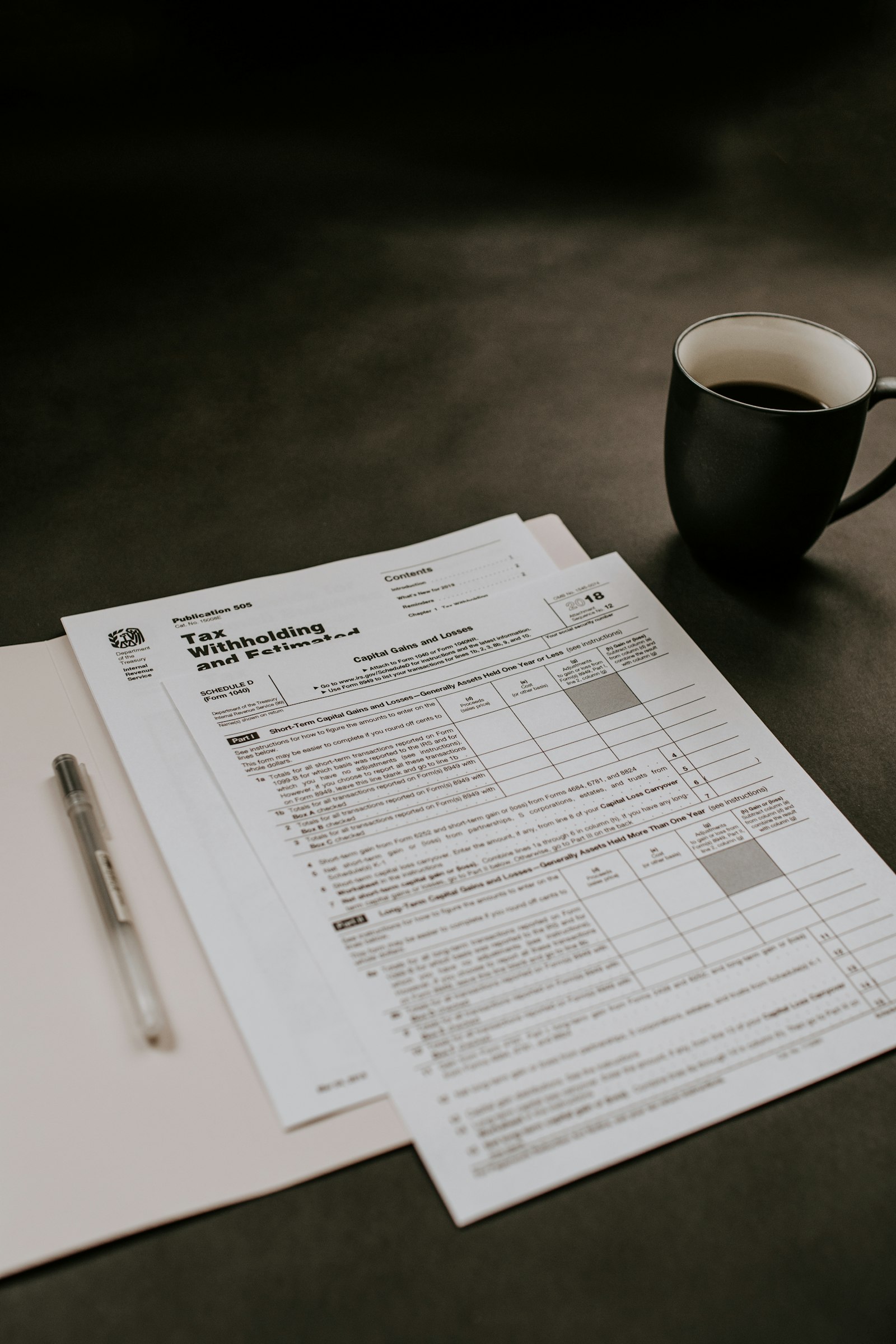
What I was was perpetually borderline. Every month I'd arrive at the 25th or 26th — four or five days before my next paycheck hit — with enough money to cover dinner but not much else. I'd put most purchases on the card. Then the paycheck would hit, I'd pay the card, and the cycle would start again.
There was never any disaster. There was also never any progress. My savings account had had roughly $1,000 in it for eighteen months straight.
The specific evening I decided this had to change: a Friday in February, I wanted to buy a $35 birthday gift for a friend and couldn't do it without shuffling money between accounts. At 32 years old, that felt genuinely embarrassing.
The Problem Wasn't How Much I Spent — It Was the Order
I did a real accounting of where my money went in February 2021. Not an estimate — I downloaded every transaction for the month and built a spreadsheet.
The findings were not dramatic. About $290 on groceries. $180 eating out. $130 on a car payment. $210 on utilities and rent (I had a roommate). $47 on streaming subscriptions. Normal numbers for my city.
The thing I noticed was that I had no savings line. I spent, roughly, what came in, and I had a structural inability to accumulate anything because every dollar was already spoken for by the time the month ended — it just wasn't spoken for by me.
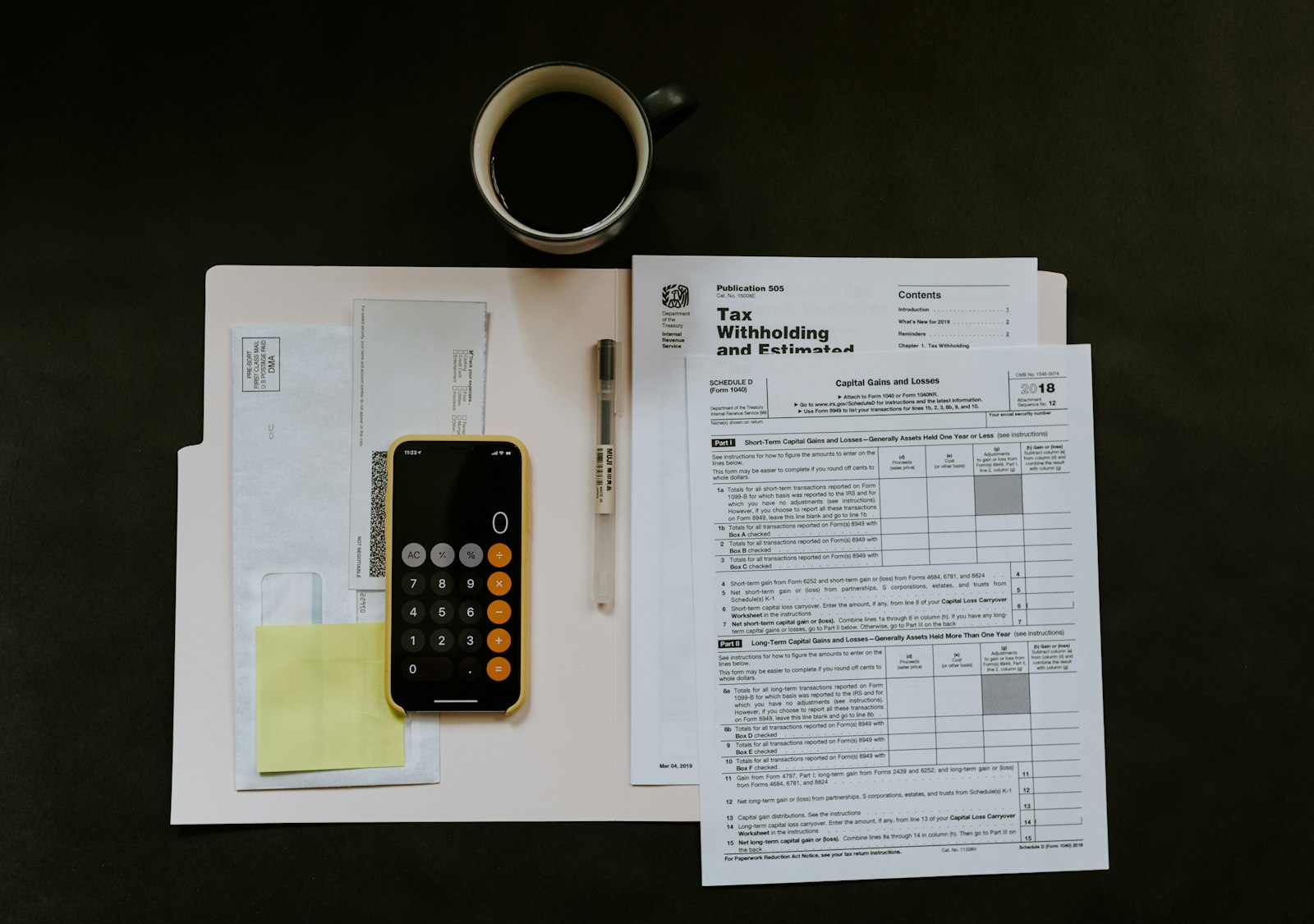
What I had been doing, without naming it this way, was spending first and saving whatever was left. The amount left was always zero.
The fix — which I'd technically heard about before but had never actually implemented — was to reverse the order.
The One Change I Made
In March 2021, I made one concrete change to how my money moved.
On payday, before I paid anything else, $300 was automatically transferred to a savings account at a different bank. Not a different savings account at the same bank — a completely different institution, where I could not see the balance from my normal banking app without logging in separately.
That $300 wasn't allocated to anything specific. It was just gone from my day-to-day awareness.
Then I paid bills. Then I lived on what was left.
That first month, I ended the 27th with $64 in checking. Better than $47. Not a transformation.
But by June — month four — I had $1,200 in the separate account. I had reached the end of every month without touching it. Not once had I had an actual emergency that required breaking into it.
What was happening, I eventually understood, was that my spending was elastic in a way I hadn't noticed. When I had $3,200 at the start of the month, I spent like a person with $3,200. When I had $2,900, I spent like a person with $2,900. The difference wasn't hardship. I didn't feel it at the grocery store or at dinner. I just bought slightly fewer things I didn't need.
The Specific Mechanics (Because Vague Advice Is Useless)
Here is exactly how to set it up, because "pay yourself first" is advice people give without explaining how to implement it.
Step one: Open a savings account at a different bank. I use Marcus by Goldman Sachs, which has no mobile spending features — you can only transfer money in and out, which is intentional friction. Ally and SoFi work the same way. The point is that the money is not visible in your main banking app.
Step two: Set up an automatic transfer on payday. In your primary checking account, schedule a recurring transfer on the exact day your paycheck hits — not the day after, the same day. Pick an amount that makes you mildly uncomfortable but not panicked. My $300 was about 5% of my monthly net. If you carry high-interest debt, split: 3% to savings, the rest accelerated toward the highest-rate balance. If you have no debt, you can push further.
Step three: Do not look at the balance. This is behavioral. The account does its job by being invisible. I checked mine once at the end of each month, nowhere else.
Step four: Leave it alone for 90 days. The goal of the first three months is to prove to yourself that money can leave your checking account and your life continues normally. After 90 days you have data. You can raise the transfer amount. You can redirect it — I eventually split mine between a house down payment fund and a brokerage account. But first: prove the system works for you.
The First Time It Actually Mattered
In July 2021, my car needed a repair. $780. Under the old system, that would have meant carrying a credit card balance for two to three months.
I had $2,100 in the savings account. I paid for the repair, felt briefly sad about the balance dropping, and moved on.
That was the first time I understood what an emergency fund actually does. It doesn't just cover the bill — it breaks the cycle. I paid the repair in cash. The next paycheck arrived and the automatic $300 transfer went through like clockwork. Two months later the account was back above $2,000.
The $47-three-days-before-payday problem didn't come back.
The Part Nobody Mentions
The paycheck-to-paycheck cycle is usually described as a problem of not earning enough. In my case that was not true. The issue was that I had no system that protected any money from myself.
I'm not a reckless spender. I don't have an Amazon addiction or a restaurant habit I can't control. I'm a person who, when presented with available money, finds ways to use it. I think most people are like this. The solution isn't discipline — discipline is finite and exhausting. The solution is automation: remove the decision entirely.
The zero-based budgeting method I tried later helped me go further. But the first move — the one that actually broke the cycle — was this structural change. Move the money before you can spend it, into an account you can't see easily, and let your lifestyle quietly adjust to the smaller number.
After I had three months of breathing room, I also started tracking where every dollar went. I wrote about that process in this piece on where my money actually goes, and it reinforced everything the automatic transfer had already started.
Where I Am Now
It's been five years since that March 2021 change. The automatic transfer is now $750 a month — I've raised it three times as my income grew. I have a fully funded emergency fund of six months' expenses. I have a brokerage account. I've had approximately zero conversations with myself about being broke three days before payday since the spring of 2021.
None of this required a raise, though I got one. None of it required canceling subscriptions or meal-prepping aggressively or making any sacrifice that actually registered in my daily life.
It required changing the order. Savings first. Everything else second. And making that order automatic so it didn't depend on remembering.
The cycle breaks when you stop trusting yourself to save what's left and start designing a system where there's never anything left to save — because it already moved.

Written by
Sarah Chen
Sarah paid off $52,000 in student loans, reached financial independence at 41, and now writes about the real-world money decisions that actually move the needle. She's based in Portland, Oregon and still tracks every dollar.
More about SarahYou Might Also Like

How Payday Loans Actually Work (And Why the Math Is Far Worse Than It Looks)
A payday loan for $300 that costs $45 to borrow sounds manageable. Run the math and that fee is equivalent to a 391% annual interest rate. Here is exactly how these loans work, why so many people get trapped, and what to do instead.

Giving My Kid $5 a Week Quietly Fixed a Hole in My Own Budget
I started my son's $5 weekly allowance to teach him about money. Watching him agonize about a $24 toy exposed a spending habit I'd long hidden from myself.

How to Budget When Your Income Changes Every Month
Most budgeting advice assumes you bring home the same number every month. For freelancers, contractors, gig workers, and tipped employees, that advice is mostly useless. Here is the system that actually works for variable income.